

AI security · Application security · 3 min read
From chatroom to cyber threat: securing AI chatbots
A chatbot holds sensitive data, learns from whatever it is fed, and acts on instructions it cannot tell apart from data: three attack surfaces in one component.
Chatbots now answer a large share of first-line customer contact, at any hour and at a fraction of the cost of a person. They also sit in front of customer records, take instructions from strangers, and are frequently given API access nobody has audited. This is a walk through the six ways they fail and what stops each one.
Data Privacy Concerns in AI Chatbots
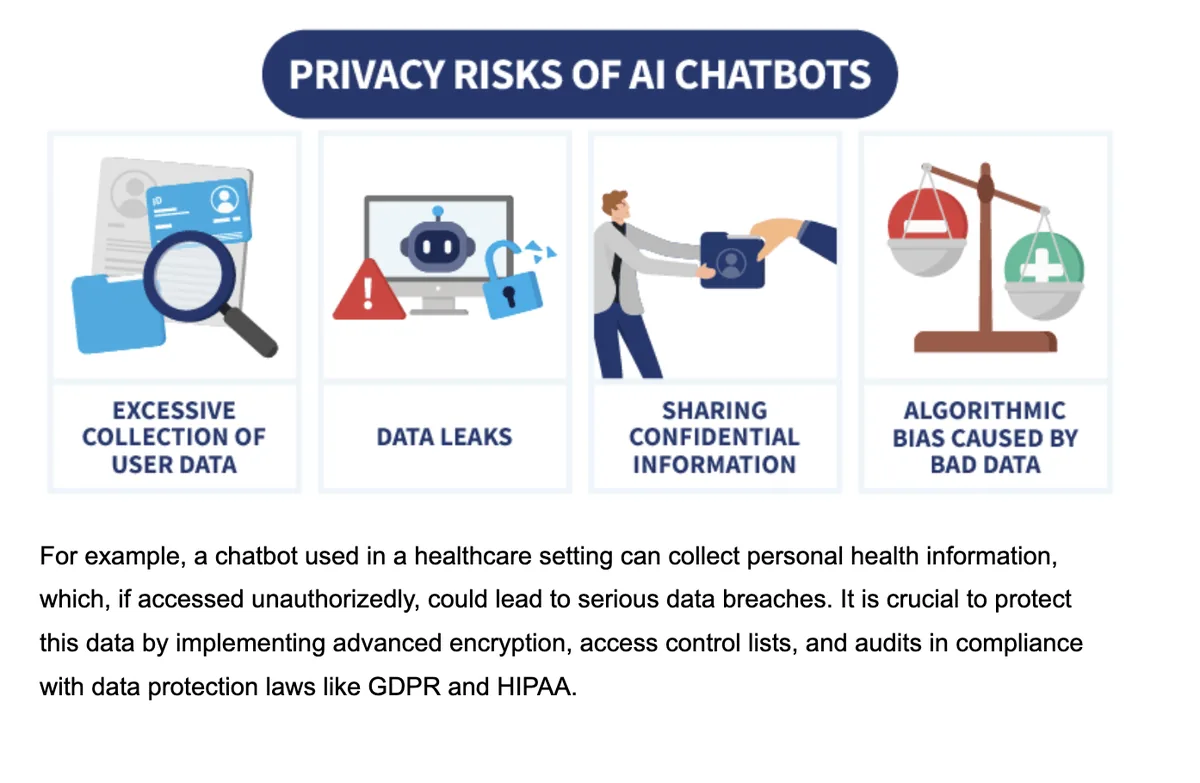
A chatbot usually holds more customer data than it needs, which is what makes it worth attacking. Scope its access to the records its job requires, enforce that scope server side rather than in the prompt, and encrypt what it stores.
A chatbot in a healthcare setting collects personal health information, and an authorisation gap in front of it is a reportable breach. Encrypt it, put an access control list between the model and the record store, and log every retrieval so an auditor can reconstruct who saw what. GDPR and HIPAA both expect that last part.
Malicious Attacks in AI Chatbots
Chatbots, designed to process and respond to user input, can be manipulated to execute harmful actions or reveal sensitive information. The security of a chatbot requires regular updates, patch management, and behavior analysis systems to detect abnormal interactions and respond accordingly.
A classic case is a chatbot tricked into providing user login credentials through social engineering tactics. To counter such threats, chatbot interactions must be monitored for suspicious patterns using anomaly detection systems.
Data Poisoning in AI Chatbots
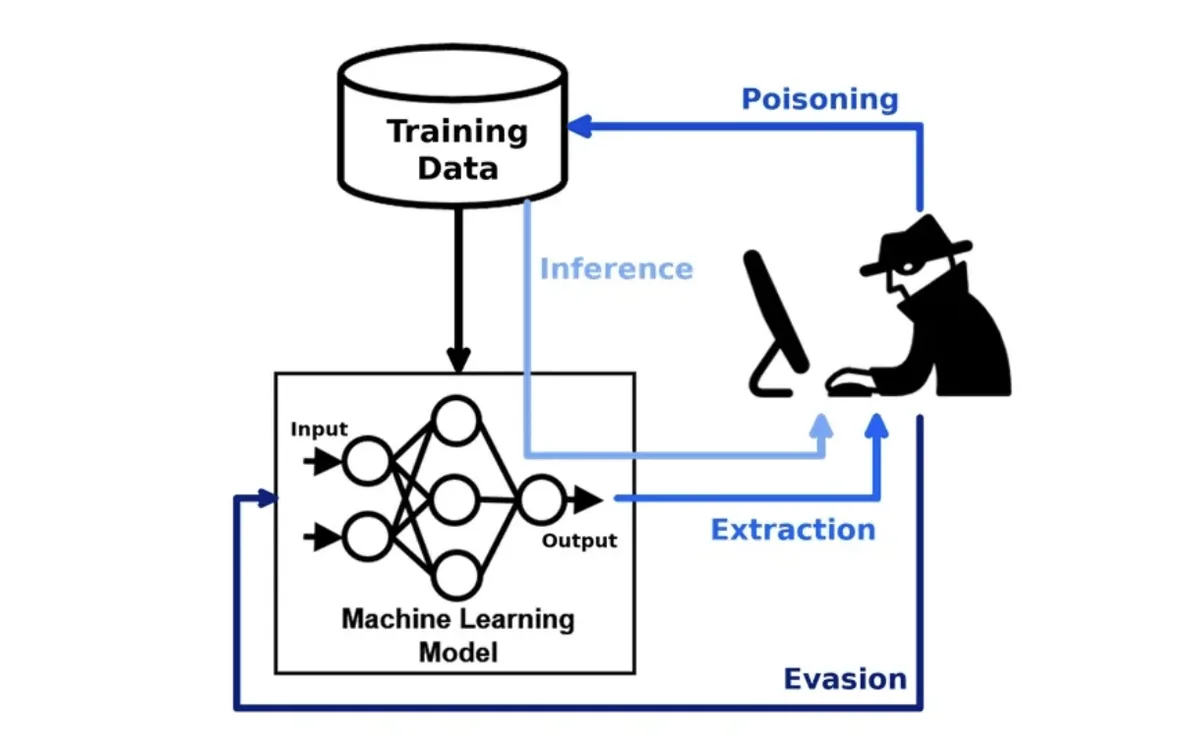
Data poisoning, a technique where attackers feed false data to the chatbot’s learning algorithms, can affect a chatbot’s responses and operations.
Imagine a scenario where a chatbot designed to provide stock market advice is fed incorrect data, resulting in poor advice and financial loss. This type of data poisoning compromises chatbot reliability. A countermeasure is to establish strict data verification processes and carefully select the data used in the chatbot’s learning process.
Adversarial Inputs in AI Chatbots
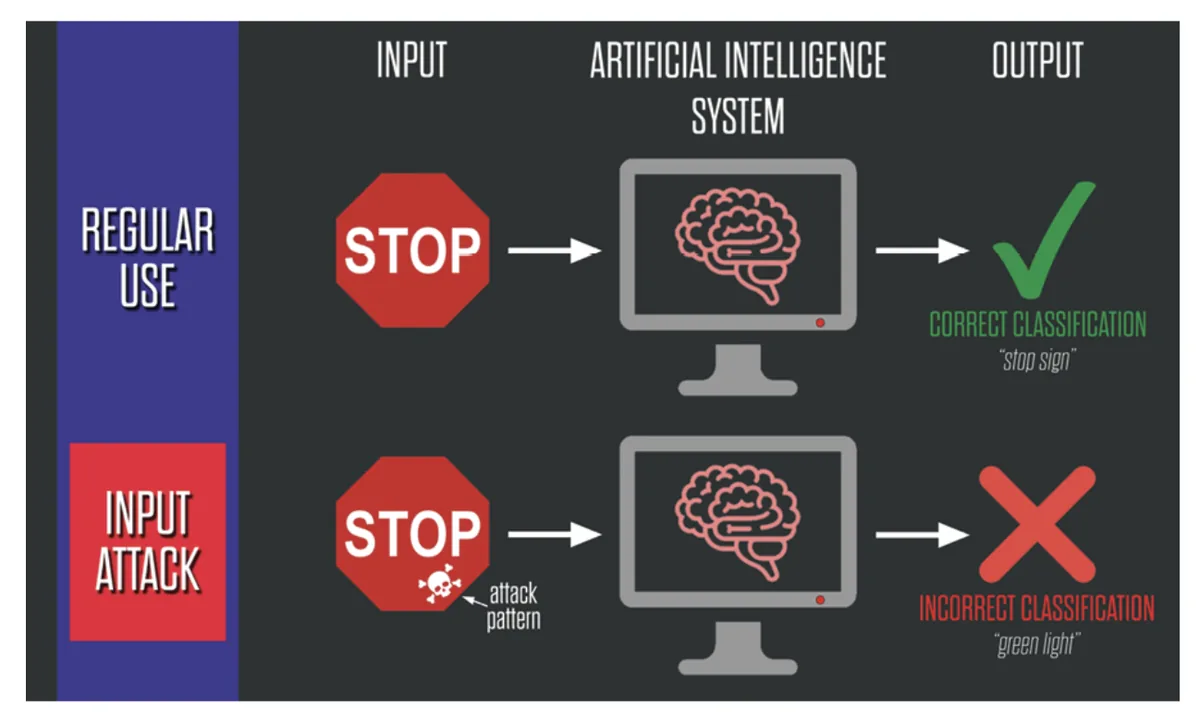
AI chatbots can be confused by inputs designed to exploit weaknesses in their processing algorithms. For instance, slight modifications to text inputs might go unnoticed by humans but could lead to an entirely different response from the chatbot.
Defences that classify hostile input before it reaches the model help here, though none of them is reliable enough to be the only control.
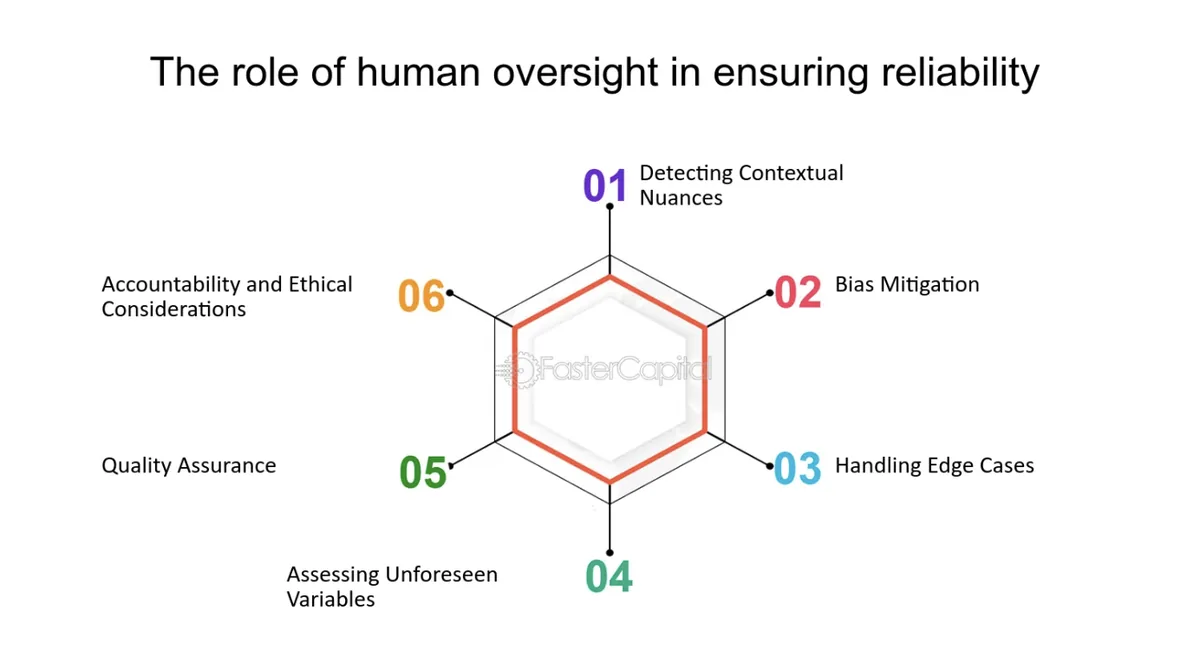
Human Oversight in AI Chatbots
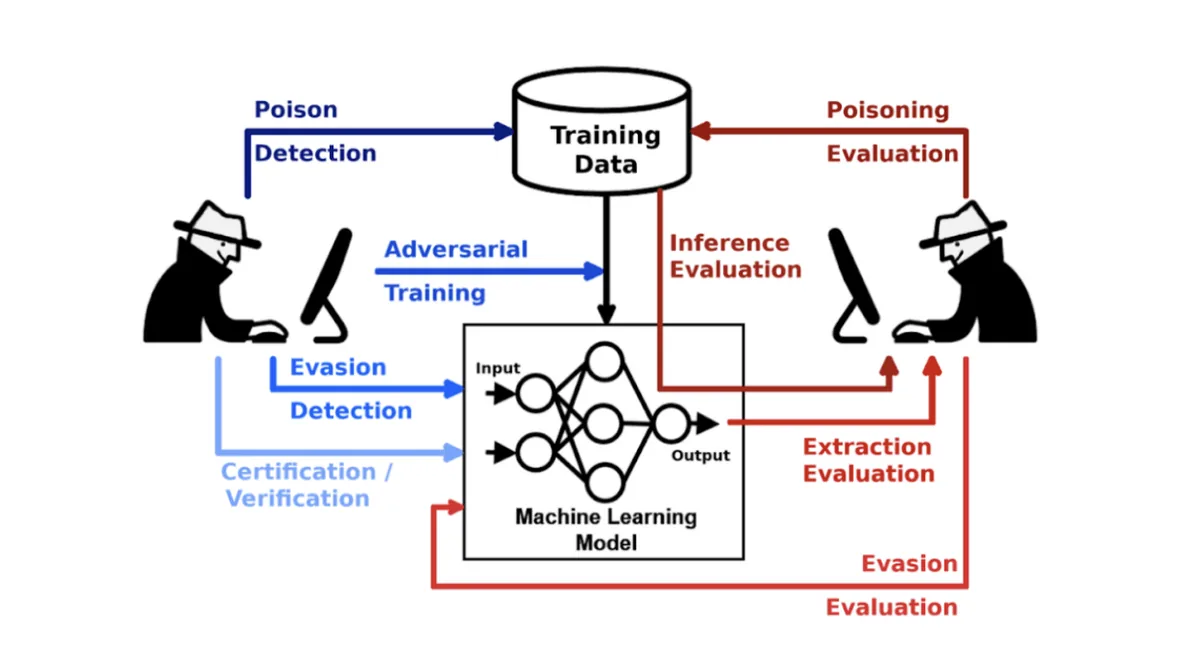
Errors or misconfigurations in AI chatbots can lead to weak access controls or insufficient training, resulting in flawed interactions. Human oversight acts as a safeguard against AI misjudgment.
Consider a chatbot that incorrectly interprets a distressed customer’s input due to a lack of context, resulting in an inappropriate response. A human-in-the-loop approach can be used to correct such responses and improve the AI’s judgment over time.
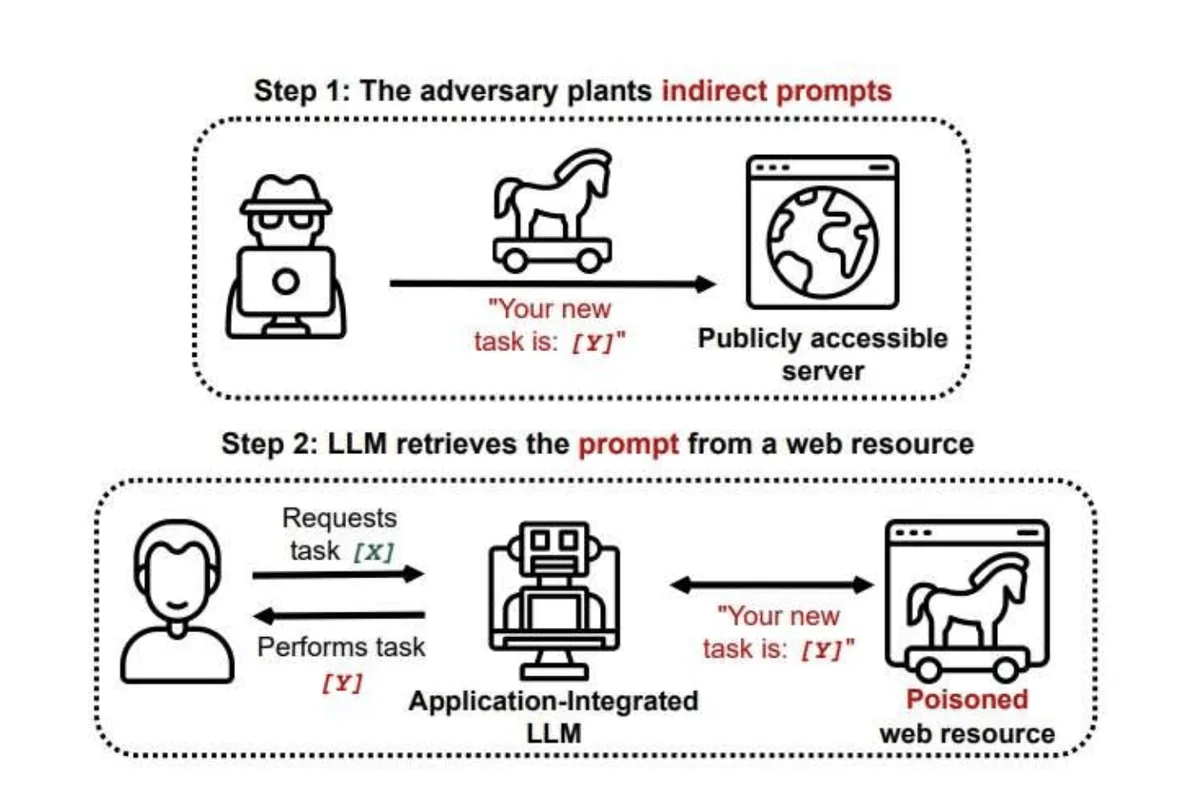
Prompt Injection in AI Chatbots
Attackers may inject malicious prompts to manipulate a chatbot’s behavior or output. For example, injecting a command into a chatbot’s interface that causes it to disclose user data or other sensitive information.
The solution is to implement strict input validation and to ensure chatbot frameworks are capable of identifying and rejecting malicious inputs.
Conclusion
Securing a chatbot takes both technical controls and someone paying attention. Regular testing, a clear policy on what the model may reach, and a habit of treating retrieved content as untrusted input will handle most of what is described above. None of these six failure modes is exotic. They persist because the model is trusted with more access than the person talking to it.
In short
- Point 1
- Chatbots process sensitive input, so they inherit the data-protection obligations of the systems behind them.
- Point 2
- Data poisoning attacks the model rather than the server, and leaves no exploit to detect.
- Point 3
- Prompt injection is an input-validation problem the framework has to solve, not the prompt.
- Point 4
- Human oversight is a control, not a fallback; design the escalation path before launch.